

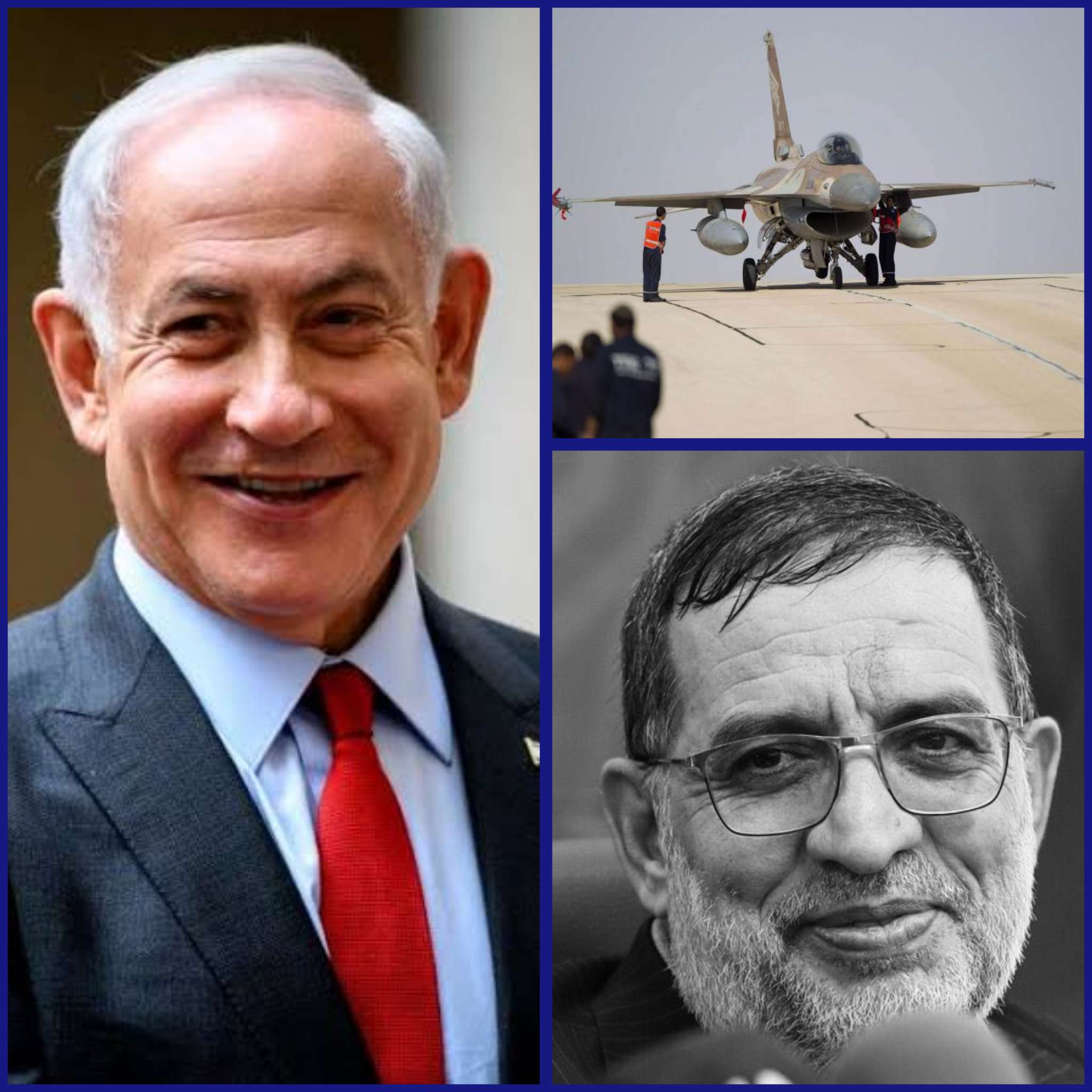
Iran’s Islamic Revolutionary Guard Corps (IRGC) has announced the death of its spokesman, Brigadier General Ali Mohammad Naini, in strikes carried out by the United States and Israel. The confirmation, reported by Iranian state media on Friday, marks another significant blow to the Iranian military establishment amid the escalating three-week-old conflict.
Naini, who had served as the IRGC’s spokesperson since 2024, was described by the Guards as having been “martyred in the criminal cowardly terrorist attack by the American-Zionist side at dawn,” according to a statement published on the Sepah News website. The 68-year-old, a native of the city of Kashan, held the rank of second brigadier general and had been a prominent public face of the IRGC’s wartime messaging.
A Targeted Operation
The Israel Defense Forces (IDF) quickly confirmed its role in the operation, stating that the strike was carried out overnight by the Israeli Air Force based on intelligence provided by the Military Intelligence Directorate.In a statement, the IDF identified Naini as the “Spokesperson and Head of the Public Relations Array of the IRGC,” accusing him of being the organization’s “main propagandist” for the past two years.
The military alleged that “in his role, Naini disseminated the regime’s terrorist propaganda to its proxies across the Middle East in order to influence and advance terror attacks against the State of Israel from the different fronts.
Final Statement and Immediate Aftermath
Just hours before his death, Naini had issued a defiant statement in response to Israeli Prime Minister Benjamin Netanyahu’s assertion that Iran could no longer enrich uranium or manufacture ballistic missiles following weeks of coordinated U.S.-Israeli operations.
Citing Iranian state media, reports indicated Naini said, “The people expect the war to continue until the enemy is completely exhausted,” and insisted that Iran’s missile production capacity remained intact even during wartime.
His death was reported by Iranian media shortly after those comments were broadcast, with the semi-official Tasnim news agency confirming he was killed in strikes it attributed to the United States and Israel.
Escalating Campaign Against Iranian Leadership
Naini’s killing is the latest in a series of high-profile Israeli strikes targeting senior Iranian officials since the conflict began on February 28, 2026. The campaign has systematically targeted the upper echelons of Iran’s military and security apparatus:· On February 28, the opening strikes of the war killed Iran’s then-Supreme Leader, Ayatollah Ali Khamenei.·
On March 17, Israeli strikes reportedly killed Ali Larijani, secretary of Iran’s Supreme National Security Council, as well as Basij commander Gholamreza Soleimani.· On March 18, the IDF reported that Iranian Intelligence Minister Esmaeil Khatib was killed in a strike on Tehran.The IRGC has condemned the killing of its spokesman as a “cowardly act of state-sponsored terror” and has vowed retaliation.
Broader Conflict Context
The strikes that killed Naini occurred as part of a wider wave of Israeli operations across Iran. The IDF said it was continuing to strike “infrastructure of the Iranian terror regime across Tehran” and in other areas, including the Nur area east of the capital and the provinces of Isfahan and western Iran. Targets have included ballistic missile launchers, UAV systems, and air defense networks.
The conflict has expanded beyond Iranian borders, drawing in regional actors. Hezbollah in Lebanon has been exchanging fire with Israeli forces, with the IDF reporting it has struck over 2,000 terror targets in southern Lebanon. Meanwhile, Gulf states have also been targeted; the UAE and Kuwait both reported Iranian missile attacks early Friday, activating their air defense systems.
Global and Domestic Ramifications
The killing comes as Iran prepared to mark Nowruz, the Persian New Year—a time traditionally reserved for celebration and renewal. Instead, the country finds itself in the grip of war, with strikes echoing across its cities.
The International Energy Agency has warned of the conflict’s impact on global oil markets, calling for fuel-saving measures to ease pressure on prices due to supply disruptions. As the war enters its fourth week with no end in sight, the systematic elimination of Iran’s leadership structure suggests the conflict is likely to intensify further before any potential de-escalation.