

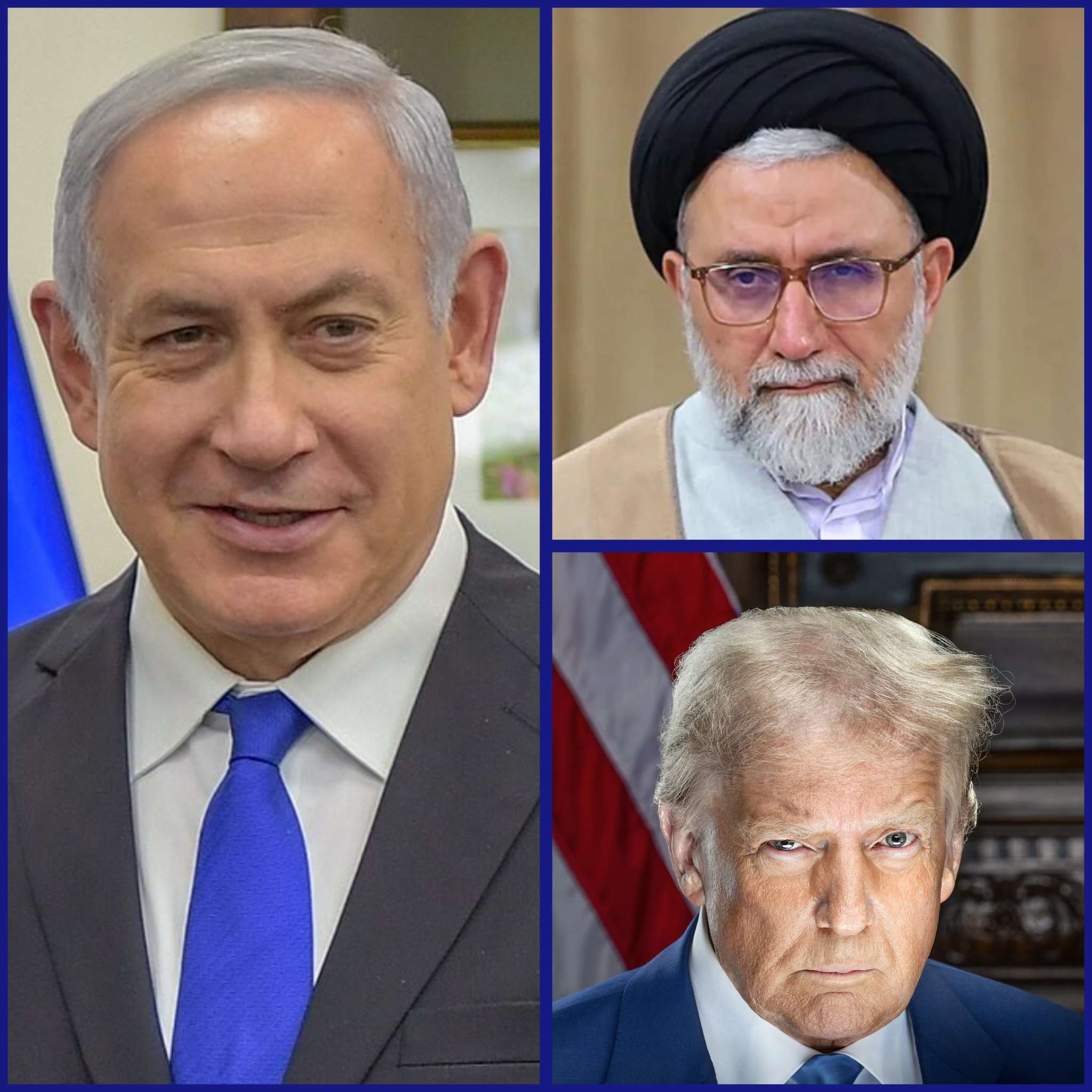
Iran has confirmed that its Intelligence Minister, Esmaeil Khatib, was assassinated in strikes carried out by the United States and Israel, marking another devastating blow to Tehran’s leadership structure amid the ongoing three-week-old conflict.
The announcement, made by Iranian state media, elevates the already intense confrontation between Iran and its Western and regional adversaries.Khatib, who served as Iran’s Minister of Intelligence since 2021, was reportedly killed in a precision strike on a secure facility in Tehran.
His death represents one of the highest-ranking casualties of the conflict, which began with joint US-Israeli strikes on February 28 that killed then-Supreme Leader Ayatollah Ali Khamenei.
The Strike
According to reports from Iranian state media, Khatib was targeted in what was described as a “cowardly terrorist operation” by American and Israeli forces. The Israel Defense Forces (IDF) later confirmed its involvement, stating that the strike was based on intelligence identifying Khatib as a key figure in Iran’s regional operations.
The IDF accused Khatib of overseeing intelligence operations against Israeli and Western targets across the Middle East, including coordinating with Iranian proxies in Lebanon, Syria, Yemen, and Iraq. In a statement, the military described him as “directly responsible for terror attacks against Israeli civilians and assets worldwide.
A Systematic Campaign
Khatib’s killing is the latest in a systematic campaign targeting Iran’s senior leadership and military commanders. Since the conflict escalated on February 28, Israel and the United States have conducted a series of precision strikes that have decimated Tehran’s top echelons:·
February 28: Ayatollah Ali Khamenei, Iran’s Supreme Leader, killed in opening strikes· March 17: Ali Larijani, secretary of Iran’s Supreme National Security Council, and Basij commander Gholamreza Soleimani reportedly killed· March 22: IRGC spokesman Brigadier General Ali Mohammad Naini killed·
March 22 (later): Intelligence Minister Esmaeil Khatib confirmed deadThe pace and precision of the strikes suggest an extensive intelligence operation, with Israeli and US agencies reportedly tracking senior Iranian officials continuously since hostilities began.
Khatib’s Role
Esmaeil Khatib was appointed Minister of Intelligence in August 2021 by then-President Ebrahim Raisi. Prior to his ministerial role, he served as deputy intelligence minister and held various positions within the ministry over two decades. He was known as a hardliner with deep ties to the Islamic Revolutionary Guard Corps (IRGC) and was considered instrumental in counterintelligence operations against foreign adversaries.
Western intelligence agencies had identified Khatib as a key figure in Iran’s efforts to expand its influence across the Middle East through proxy groups. His portfolio included overseeing intelligence sharing with Hezbollah in Lebanon, Hamas in Gaza, and various Shia militias in Iraq and Syria.
Iran’s Response
Iran’s leadership has vowed retaliation. Mojtaba Khamenei, who succeeded his father as Supreme Leader following the February 28 strikes, convened an emergency session of the Supreme National Security Council following news of Khatib’s death.
According to sources close to the council, discussions focused on potential retaliatory measures, including intensified missile strikes on Israeli positions and US bases in the region.The IRGC issued a statement condemning the assassination as a “violation of all international norms” and warning that “the blood of the martyrs will only strengthen the resolve of the Iranian nation.” The statement added that the “Zionist regime and its American backers will pay a heavy price for these crimes.
Regional and Global Implications
The killing of Iran’s intelligence minister escalates a conflict already teetering on the edge of full-scale regional war. The joint US-Israeli campaign against Iran’s leadership represents a significant departure from previous shadow warfare tactics, openly targeting the highest levels of the Iranian government.
Regional allies of the United States have expressed concern about the expanding conflict. Gulf states, including Saudi Arabia and the United Arab Emirates, have called for restraint, warning that continued escalation threatens the stability of the entire region. Both countries have reportedly activated air defense systems in response to Iranian missile launches in recent days.
Global energy markets remain volatile, with oil prices fluctuating amid concerns that the conflict could disrupt shipments through the Strait of Hormuz, a critical chokepoint for global oil supplies. Iran has previously threatened to close the strait in response to attacks on its territory.
A War of Attrition
The assassination of Khatib signals that the US and Israel are pursuing a strategy of decapitating Iran’s leadership structure, hoping to cripple the Islamic Republic’s ability to coordinate military operations and manage its network of regional proxies. The approach carries significant risks, including the possibility of a broader Iranian retaliation that could draw in Hezbollah’s extensive missile arsenal or trigger attacks on US allies in the Gulf.
As the conflict enters its fourth week, both sides show little sign of backing down. Iran has continued to launch missile and drone attacks on Israeli positions and US bases, while the US-Israeli campaign has systematically eliminated key figures in Tehran’s military and intelligence apparatus.
For now, the killing of Esmaeil Khatib represents a significant escalation in a war that shows no signs of abating. As the body count among Iran’s leadership rises, the question remains whether this campaign will force Tehran to reconsider its posture—or drive it toward even more dramatic retaliation