

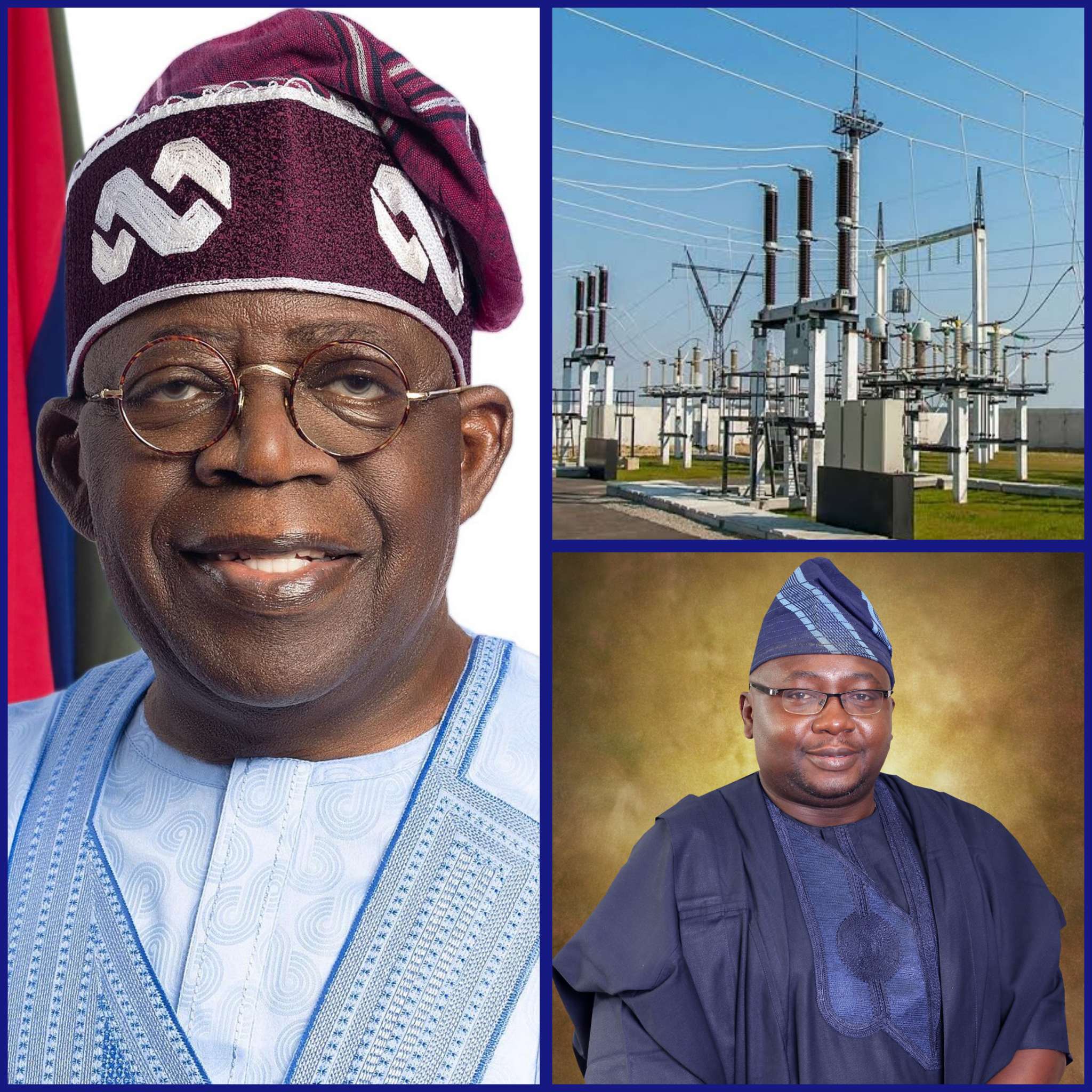
President Bola Tinubu has approved a ₦3.3 trillion payment plan to settle long-standing debts in Nigeria’s electricity sector, a move aimed at resolving financial bottlenecks that have crippled power generation for over a decade.
The announcement, made on April 5, 2026, is part of the Presidential Power Sector Financial Reforms Programme designed to restore confidence across the electricity value chain.
The debts, which accumulated between February 2015 and March 2025, were verified and agreed upon as a “full and final settlement” to ensure transparency. Implementation has already begun, with 15 power generation companies signing settlement agreements totaling ₦2.3 trillion.
The Federal Government has raised ₦501 billion to fund the initial phase, out of which ₦223 billion has been disbursed, with further payments ongoing.
Aims to Stabilize Generation and Supply
The payment plan targets legacy debts that have prevented power plants from paying gas suppliers and maintaining operations. According to the presidency, the intervention is expected to unlock idle generation capacity, stabilize the grid, and improve electricity reliability for homes and businesses.
Olu Arowolo-Verheijen, Special Adviser on Energy to President Tinubu, explained: “This programme is not just about settling legacy debts. It is about restoring confidence across the power sector, ensuring gas suppliers are paid, power plants can keep running, and the system begins to work more reliably.
She noted that the reforms are part of broader efforts, including better metering and service-based tariffs that link electricity costs to the quality of supply received. The government is also prioritizing power delivery to industries, small businesses, and enterprises to drive economic growth and job creation.
Mixed Reactions from Stakeholders
While the move has been welcomed by some stakeholders as a necessary step to resolve a decade-long crisis, others have raised concerns. The Association of Power Generation Companies (APGC) has questioned the verification process, noting that the debt was reduced from an estimated N6 trillion to N3.3 trillion without bilateral agreement .
The government slashed the debt without proper consultation. Is verification unilateral in a bilateral agreement?” asked Dr. Joy Ogaji, Chief Officer of the APGC .
Meanwhile, former presidential candidate Peter Obi has challenged the administration over what he described as “repeated” debt settlements without visible results. Obi referenced similar announcements made in July 2025 and questioned the transparency and funding sources for the new plan.
Impact on Consumers and Businesses
For ordinary Nigerians, the success of this plan will be measured by tangible improvements in electricity supply. The country has faced persistent blackouts and grid collapses, forcing households and businesses to rely on expensive generators and solar alternatives.
The debt settlement is designed to break this cycle by ensuring that generation companies can operate at full capacity and gas suppliers receive payment .President Tinubu has confirmed that the next phase of the programme, Series II, will commence within the current quarter, signaling a sustained commitment to addressing the sector’s financial challenges .