

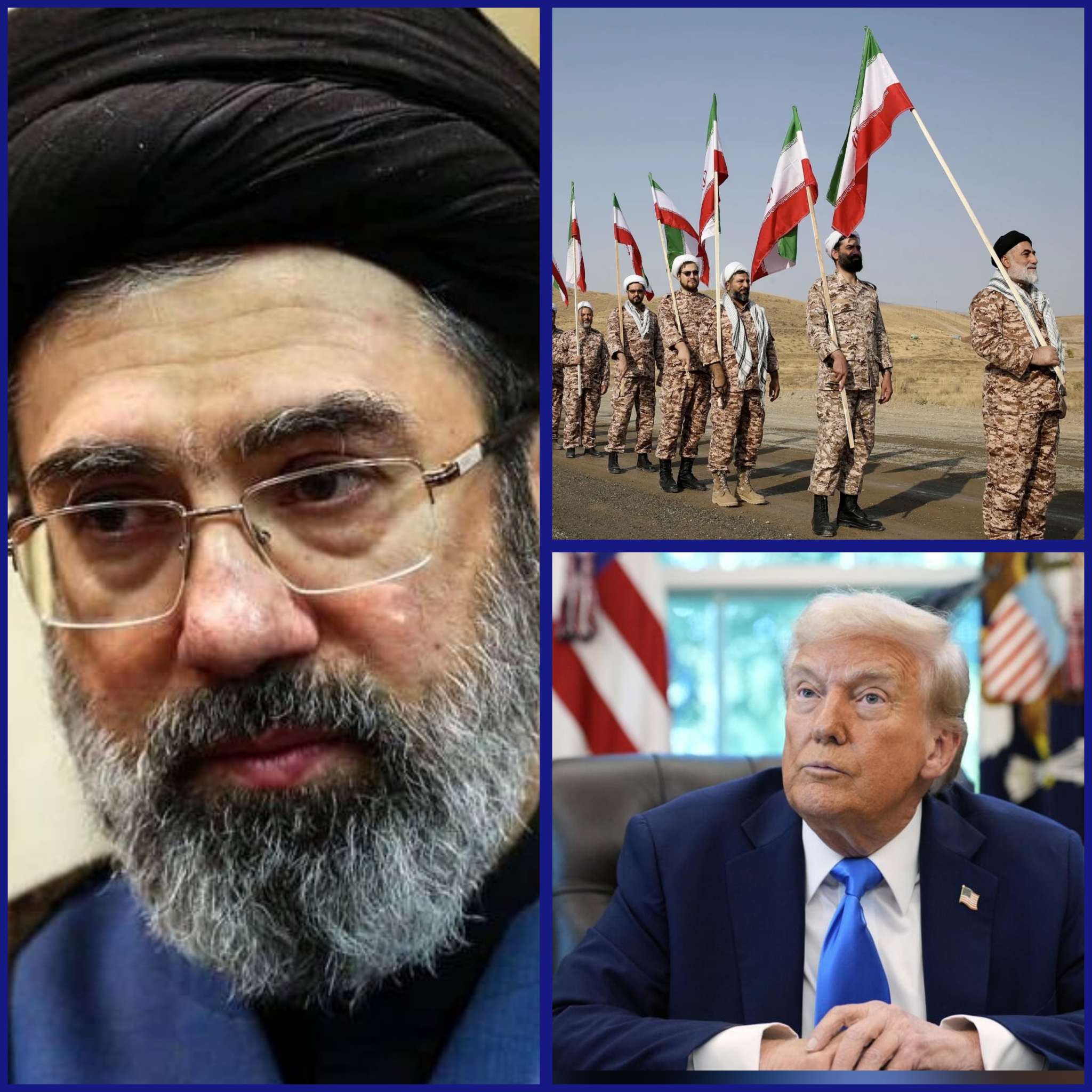
Tensions in the Middle East have escalated sharply following a defiant statement from Iranian leadership dismissing ceasefire calls amid ongoing hostilities.
In a stark warning to adversaries, Iranian officials declared: “You cannot start a war and then demand a ceasefire whenever you want. The statement, delivered through official channels, reflects Tehran’s hardened stance as conflict intensifies in the region.
Iranian authorities emphasized that their armed forces are fully prepared and “determined to teach the enemy a lesson they will never forget,” signaling that retaliatory actions will continue unabated.
No Ceasefire While Attacks Persist
According to Iranian officials, the country has no interest in negotiating a truce while military operations against its interests persist.
We are not seeking a ceasefire while attacks continue,” a spokesperson stated firmly. “We will keep responding until the aggression stops. This position effectively closes the door on immediate diplomatic resolutions, suggesting that Iran views the current conflict as one imposed upon it rather than initiated by it.
The rhetoric frames Iranian military action as defensive response rather than offensive aggression—a crucial distinction in the battle for international opinion.
The Regional Context
The latest escalation comes amid heightened volatility across the Middle East. Iran has been engaged in a complex multi-front confrontation involving regional proxies, direct exchanges with Israel, and tensions with Western powers over its nuclear program and military ambitions.
Recent months have witnessed increased exchanges across borders, with Iran-backed groups launching operations while Israeli forces have conducted strikes against Iranian targets and assets in Syria and elsewhere.
The United States has also maintained a military presence in the region, walking a careful line between deterrence and direct involvement.
Iran’s refusal to entertain ceasefire discussions suggests confidence in its strategic position—or at least a public posture of strength designed to project resolve to both domestic audiences and international adversaries.
Teaching An Unforgettable Lesson
The promise to deliver “a lesson they will never forget” echoes previous Iranian warnings that have preceded significant military actions. The phrasing carries weight in a region where reputation and deterrence carry strategic importance comparable to actual military capability.
For Iran, demonstrating the ability and willingness to retaliate serves multiple purposes. Domestically, it reinforces the regime’s credentials as defender of the nation.
Regionally, it maintains credibility with allied militias and proxy forces who look to Tehran for leadership. Internationally, it attempts to establish red lines that adversaries cannot cross without consequence.
Implications for Regional Stability
Iran’s hardline stance complicates efforts by international mediators to de-escalate tensions. Without Iranian willingness to engage in ceasefire discussions, the conflict risks spiraling into broader confrontation drawing in multiple actors.
Neighboring countries watch nervously as rhetoric intensifies. Gulf states, already navigating complex relationships with both Iran and Western powers, face difficult choices about alignment and engagement. Global energy markets remain sensitive to any disruption that could affect oil supplies from the region.
The Path Forward
With Iran ruling out ceasefire while attacks continue, the immediate trajectory points toward continued hostilities. Whether this represents a sustained campaign or a temporary hardening of positions before eventual negotiation remains unclear. What is certain is that the region faces heightened risks of miscalculation.
In a theater crowded with actors, proxies, and competing interests, the difference between controlled escalation and uncontrollable conflict can be measured in minutes and decisions made under pressure.
For now, Iran’s message to its adversaries is unambiguous: you started this, and it will end on our terms—when the aggression stops, and not a moment before.
As the world watches, the Middle East holds its breath, waiting to see what “unforgettable lesson” might look like, and who will be forced to learn it.