

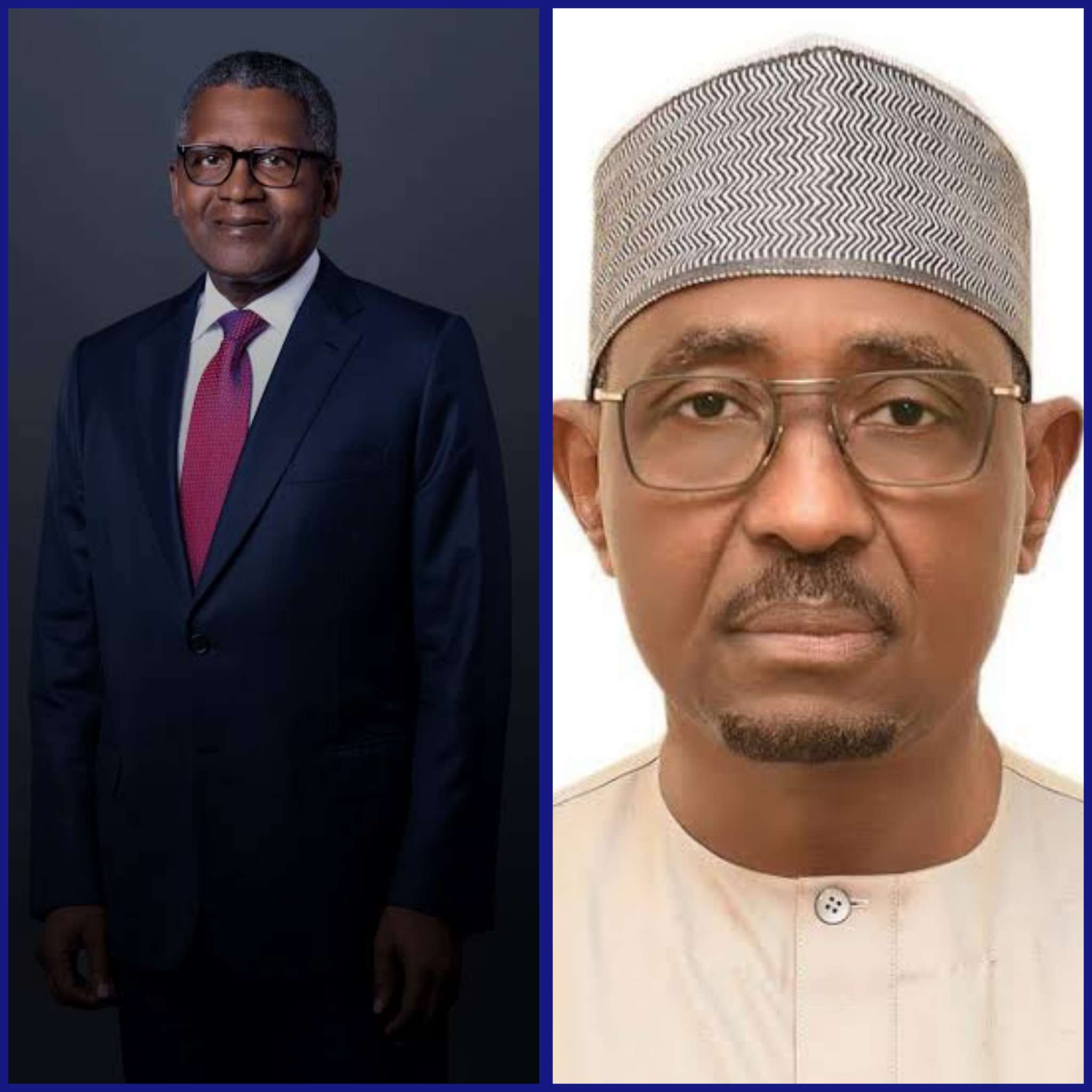
Billionaire Aliko Dangote calls out oil regulator Farouk Ahmed for allegedly spending $5M on his children’s Swiss schooling, citing a stark contrast with average Nigerians.
In a striking rebuke that merges corporate criticism with a populist challenge, Africa’s richest man, Aliko Dangote, has publicly called out a top Nigerian oil official over allegations of extravagant personal spending.
The industrialist specifically targeted Farouk Ahmed, Chief Executive of the Nigerian Midstream and Downstream Petroleum Regulatory Authority (NMDPRA).The core of Dangote’s accusation centers on Ahmed’s family expenses.
Dangote claims that the regulator enrolled four of his children in a secondary school in Switzerland, with the six-year education reportedly costing the staggering sum of five million dollars. Dangote emphasized this was for secondary schooling alone, not university.
To underscore his point, Dangote drew a direct personal contrast. “Even my own children, they didn’t go to those schools; my children went to Nigerian secondary school,” he stated. He further questioned the financial feasibility, noting that Ahmed’s official income should not align with such expenditures and called for tax authorities to investigate.
This personal allegation was framed within a broader critique of sector mismanagement. Dangote expressed frustration over obstacles facing Nigeria’s potential as a regional refining powerhouse, despite having both crude oil and refinery infrastructure.
He indirectly linked systemic failures to the actions of certain officials, suggesting that personal corruption is undermining national economic progress. The billionaire then masterfully connected the high-profile case to the daily realities of ordinary citizens.
He painted a vivid picture of the inequality, pointing out that while one official allegedly spent millions on overseas schooling, many families in places like Sokoto struggle to afford one hundred thousand naira in local school fees. This rhetorical move transforms the issue from a bureaucratic dispute into a matter of national equity and justice.
Dangote’s statements conclude with a demand for accountability and legal action. He insists Ahmed must publicly explain the source of the funds for the tuition and that prosecutors must hold wrongdoers accountable.
This public call from a figure of Dangote’s stature places significant pressure on anti-corruption bodies to respond.The outburst highlights simmering tensions between ambitious private sector leaders and regulatory bodies in Nigeria’s critical energy sector.
More than a personal feud, it frames the fight against corruption not just as a legal matter, but as a fundamental requirement for Nigeria to achieve its economic potential and ensure fair opportunities for all its citizens.