

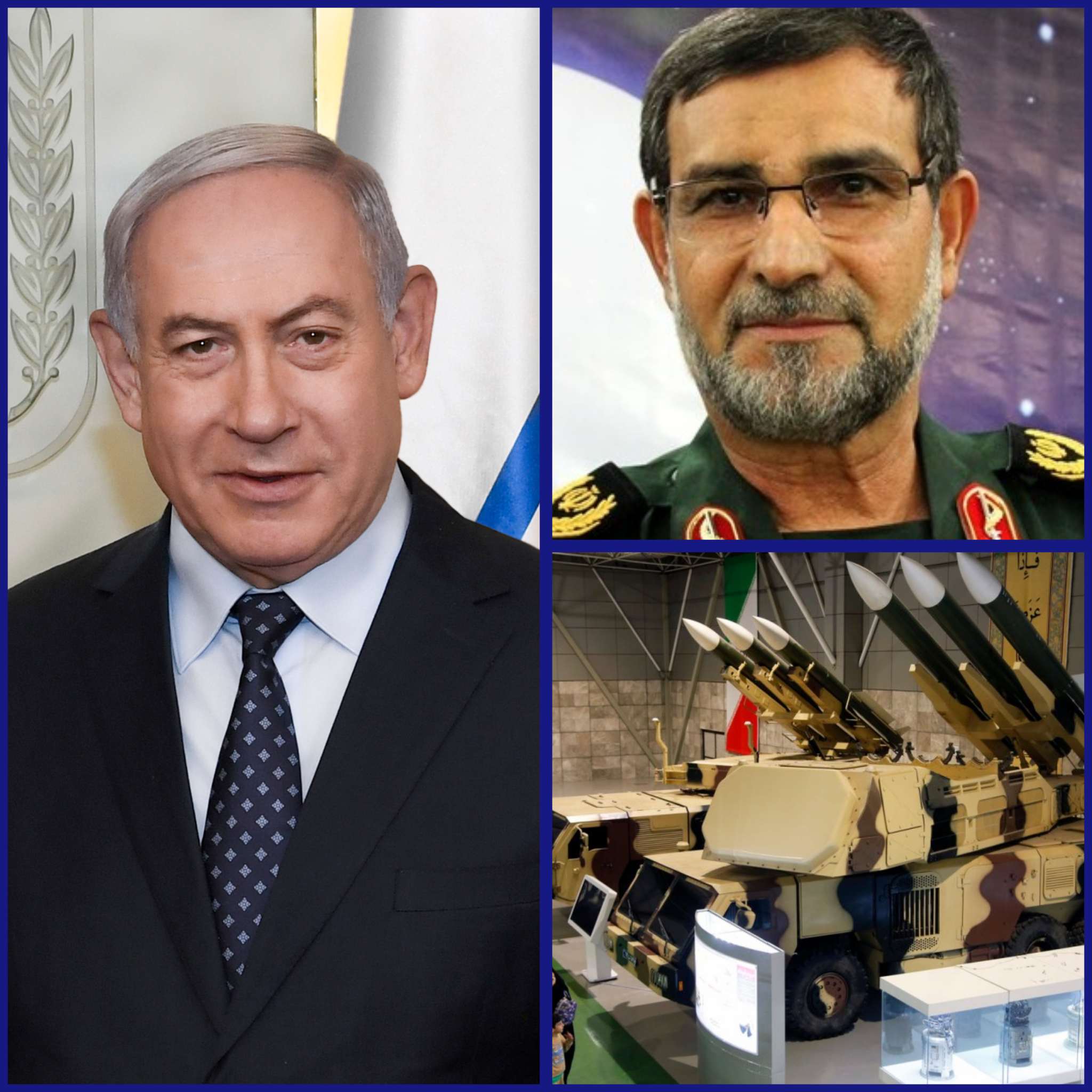
The Israeli military has killed the commander of Iran’s Islamic Revolutionary Guard Corps (IRGC) Navy, Alireza Tangsiri, in a significant escalation of the ongoing conflict. Israeli Defense Minister Israel Katz confirmed the airstrike on Thursday, describing it as a “precise and lethal operation” that also resulted in the deaths of other senior naval officials .
The strike, reportedly carried out in the southern port city of Bandar Abbas, targeted a figure identified by Israel as the mastermind behind Iran’s current blockade of the Strait of Hormuz.
A Key Figure in the Strait of Hormuz Blockade
Alireza Tangsiri, who had led the IRGC Navy since his appointment by the late Supreme Leader Ayatollah Ali Khamenei in 2018, was a central figure in Iran’s military strategy . According to Israeli officials, he was “directly responsible” for recent efforts to disrupt global shipping through the Strait of Hormuz—a critical waterway through which approximately 20 percent of the world’s oil passes.
Defense Minister Katz stated that Tangsiri was involved in naval mining operations and the blockade that has restricted access to the strait, actions that have contributed to rising global oil prices and increased tensions in the Gulf region.
In his final public comments, Tangsiri posted on social media just days before his death, warning that any vessel passing through the strait must fully coordinate with Iranian maritime authorities and announcing the interception of a foreign container ship.
Context of the Escalating Conflict
Tangsiri’s death is the latest in a series of targeted strikes against Iran’s military and political leadership since the U.S. and Israel launched a joint military campaign against Iran on February 28, 2026 . This campaign has already resulted in the deaths of senior figures, including Iran’s former Supreme Leader, Ayatollah Ali Khamenei, and the head of Iran’s Supreme National Security Council, Ali Larijani.
The killing of the naval commander coincided with a wave of fresh Israeli strikes on Isfahan and other locations in Iran, as well as continued Iranian retaliatory missile attacks. Israeli Prime Minister Benjamin Netanyahu stated that the operation was carried out in cooperation with the United States, describing it as part of a shared goal to reopen the Strait of Hormuz and achieve the war’s objectives.
Regional and Global Implications
The successful targeting of such a high-ranking military official signals a significant escalation in Israel’s ability to penetrate Iranian defenses, coming just a week after reports of strikes on Iranian naval assets in the Caspian Sea.
The conflict continues to spread beyond Iranian borders, with ballistic missile fragments from intercepted Iranian rockets causing casualties in the United Arab Emirates . As of the latest reports, Iranian authorities have not officially commented on Tangsiri’s death, though the loss of the commander who ran the “strategic throat” of the Persian Gulf represents a major blow to Tehran’s military capabilities and its ability to pressure global energy markets