

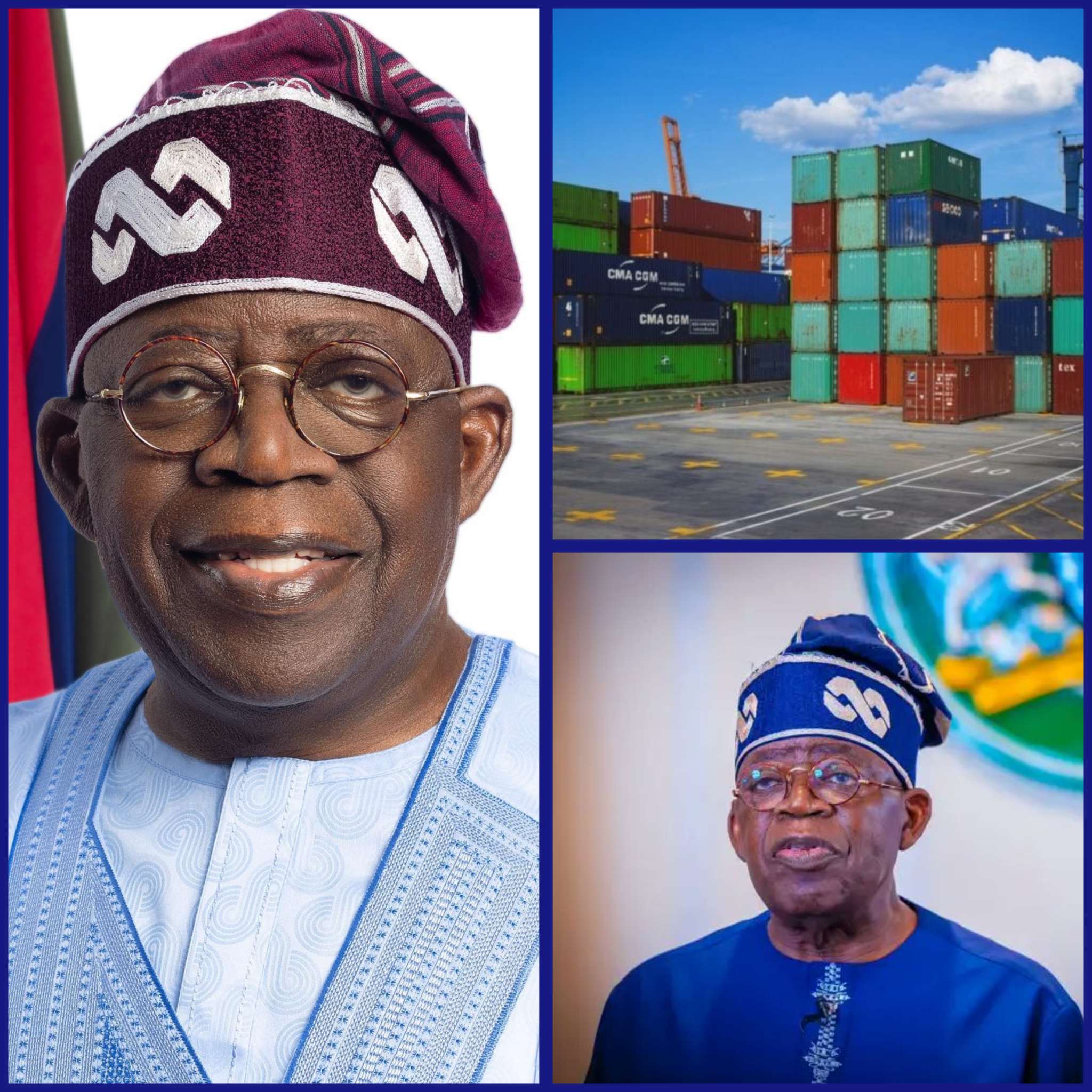
In a decisive move to diversify its economy and harness the potential of the African Continental Free Trade Area (AfCFTA), the Nigerian Federal Government has announced an ambitious nationwide strategy.
The plan aims to ensure that each of the country’s 774 local government areas identifies and develops at least one viable export product by the year 2026.The core idea is elegantly straightforward: unlock the unique economic potential lying dormant in every corner of the nation.
From the fishing communities in the coastal south to the shea butter producers in the northern savannahs, each locality is being called upon to pinpoint a product—whether agricultural, mineral, or artisanal—that it can produce competitively for the continental market.
This initiative represents a radical shift from a centralized, oil-dependent export model to a decentralized, grassroots-driven economic framework.Officials frame the plan as a critical step in building Nigeria’s competitiveness under the AfCFTA, which creates a single market for goods and services across 54 nations.
By mobilizing every local government, the strategy seeks to generate a wave of non-oil exports, from processed cashew and cocoa derivatives to specialized textiles and solid minerals. The goal is to transform Nigeria from a monolithic crude oil exporter into a diversified export powerhouse built on hundreds of locally-sourced products.
However, the ambition is met with significant practical challenges. Success will require more than just identification; it will demand substantial investment in infrastructure, processing facilities, quality control, and logistics to move goods from local farms and workshops to international ports.
There are also concerns about capacity at the local government level, the need for extensive farmer and artisan training, and the creation of cohesive value chains.If executed effectively, proponents argue the plan could be transformative.
It promises to stimulate rural economies, create jobs, reduce poverty, and foster a profound sense of productive inclusion in the national and continental project. It turns every local government into a potential export zone, democratizing economic opportunity.This 2026 target is more than a policy—it is a national call to economic self-discovery.
It challenges communities to look inward, assess their natural and human resources, and answer the question: What can we offer Africa? The success of this decentralized export drive could ultimately redefine Nigeria’s place in the African economy, building resilience from the ground up.