

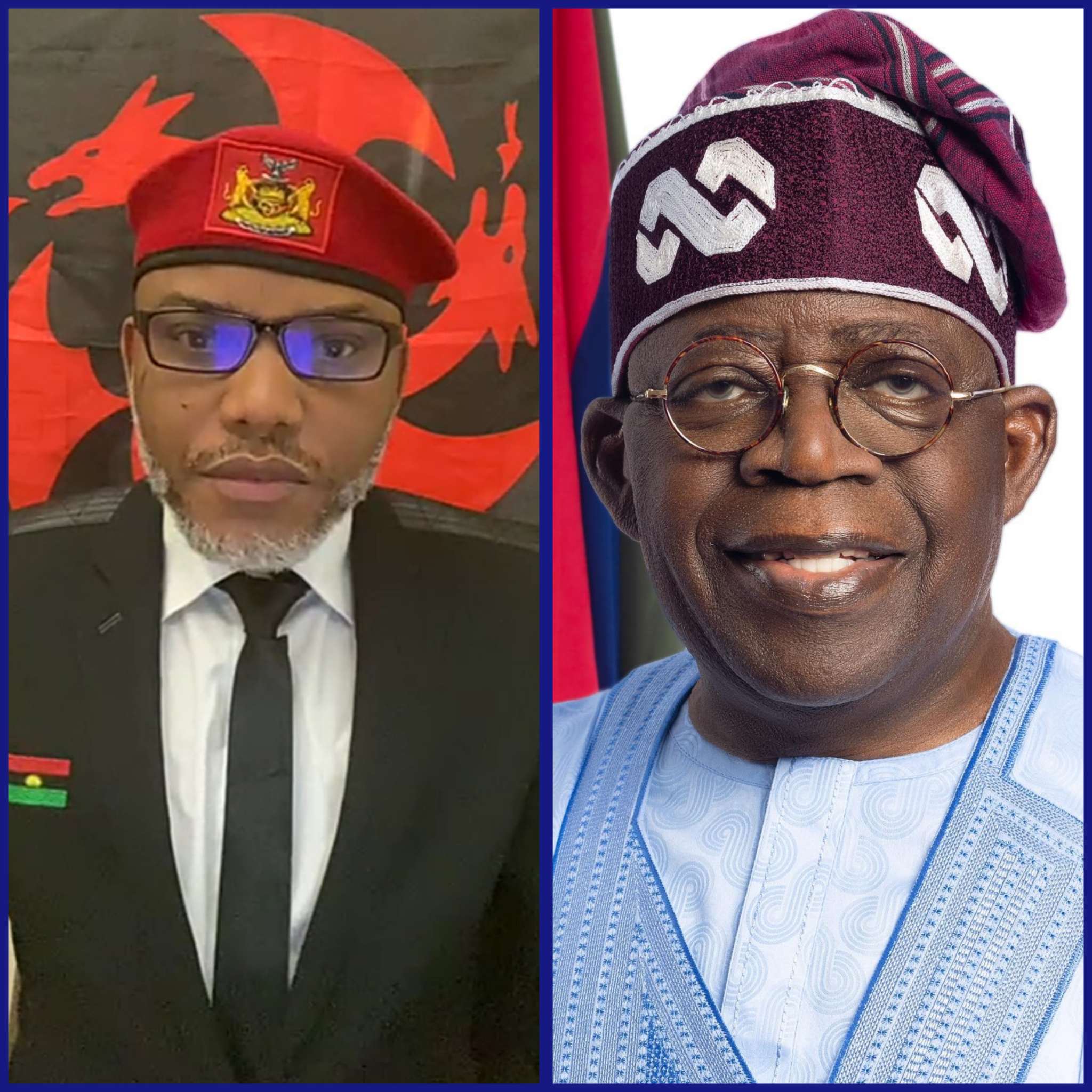
44 lawmakers from across Nigeria’s regions have penned a formal letter to President Bola Ahmed Tinubu, calling for the immediate release of Nnamdi Kanu, the detained leader of the Indigenous People of Biafra (IPOB).
Identifying as the “Concerned Federal Lawmakers for National Unity and Stability,” the group—comprising members from northern and southern states—submitted a two-page resolution on November 18, urging a political rather than judicial resolution to the prolonged crisis.
The 44 lawmakers invoked Tinubu’s constitutional powers, requesting he direct the Attorney-General of the Federation to discontinue Kanu’s terrorism prosecution “as soon as practicable.
They further appealed for an inclusive national dialogue involving all stakeholders to address underlying grievances fueling insecurity in the Southeast. “Driven by the abiding and urgent need for national reconciliation and healing,” the letter highlights the government’s past negotiations with militants in other regions, escalating violence in the Southeast since 2015 (spiking after 2021), multiple domestic court rulings and international pronouncements favoring Kanu, and a growing public clamor for his freedom.Signatories, led by figures like Hon. Ikenga Imo Ugochinyere and Hon. Obi Aguocha, emphasized that Kanu’s continued detention, despite a 2022 Court of Appeal discharge (overturned on appeal)—remains a major obstacle to peace.
They argued that dropping charges and opening talks would de-escalate tensions, rebuild trust, and align with precedents of political settlements elsewhere in Nigeria.
This development adds substantial weight to mounting calls for Kanu’s release, coming amid his ongoing trial (judgment slated for November 20) and persistent unrest linked to IPOB agitations. Supporters view it as a pathway to healing old wounds from Kanu’s 2021 rendition from Kenya, deemed unlawful by some courts and the UN.
The Presidency has yet to respond, but the letter expresses confidence in Tinubu’s leadership for unity. As Nigeria grapples with regional divisions, this cross-party intervention underscores a rare consensus: resolving the Kanu saga politically could unlock broader national reconciliation.